In today’s short attention span world, advertisers compete for an audience that’s often disengaged. Virtual reality (VR) offers marketers a unique way to connect with consumers, inviting them into immersive environments they choose to enter. This creates opportunities for more meaningful brand engagement, with proven results across campaigns. But what does this mean for the future of marketing?
Enhanced experience, better returns
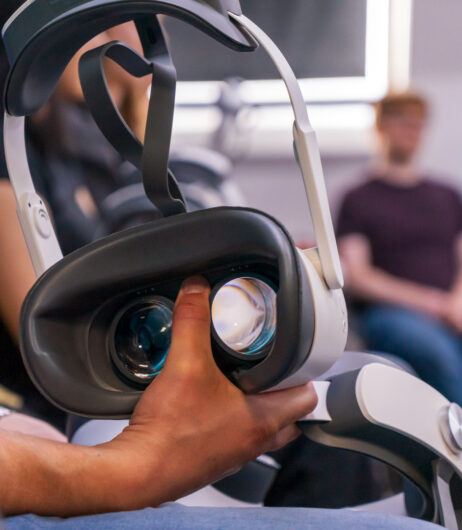
VR places users in completely different, believable environments, blocking out distractions from the real world. This ensures full attention, giving brands an invaluable opportunity to communicate their message.
-
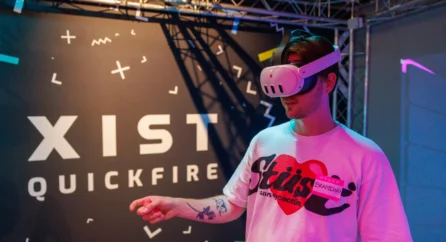
Branded experiences: Product simulations or campaigns can capture user attention fully.
-
Impactful engagement: Greenpeace trialled VR for fundraising and saw sign-ups double.
-
Behaviour change: The Scottish Government’s In Town, Slow Down VR campaign exceeded expectations, with over 50% of drivers reporting they would change behaviour — ten times the original target.
Instant emotional appeal
VR enhances emotional impact by placing users in someone else’s point of view. This is particularly powerful for charities and cause-based campaigns.
-
Empathy in action: Greenpeace’s VR experiences let users explore global issues firsthand, doubling sign-ups.
-
Unique moments: The #imagineboleyn VR experience for West Ham United allowed fans to virtually walk through the stadium tunnel for the final match, creating a deeply personal connection.
The power of practical applications
VR isn’t just about emotion — it has practical applications that drive sales and engagement.
-
Retail: IKEA and other brands experiment with “try before you buy” VR experiences.
-
Ecommerce potential: VR allows consumers to interact with products that aren’t physically present, from cars to clothing.
-
Cross-sector versatility: VR enhances training, travel, and educational experiences, making it a powerful sales and engagement tool.
Considerations for the future of VR marketing
As VR usage rises and headsets become more affordable (Amazon currently lists over 190 models), brands gain a powerful new marketing tool. However, there are key considerations:
-
Avoid VR for VR’s sake: Every experience must have a clear purpose.
-
Design for the 360º space: Users self-direct in VR, so clever writing, design, and direction are essential.
-
Evolving engagement: As VR becomes mainstream, campaigns must remain meaningful and immersive to maintain impact.
Get started with VR marketing
VR offers brands a unique opportunity to create immersive, engaging, and emotionally impactful experiences. Our team can help design campaigns that capture attention, influence behaviour, and deliver measurable results — ensuring your brand thrives in the era of virtual reality. Check out our VR services offering here.
Related posts